Timelines

Migration is a natural part of living systems, and human history is no exception. Yet it remains one of the most debated public issues of our time.

Both people and borders move. Who is allowed to move, and who is granted rights, lies at the heart of how nations define belonging. In Germany and the United States alike, these debates have been deeply intertwined with evolving ideas of race and ethnicity.

These timelines trace how citizenship and belonging have been constructed, challenged, and redefined through laws, social movements, global events, and cultural works — and how those histories continue to shape the present.

Close
1959
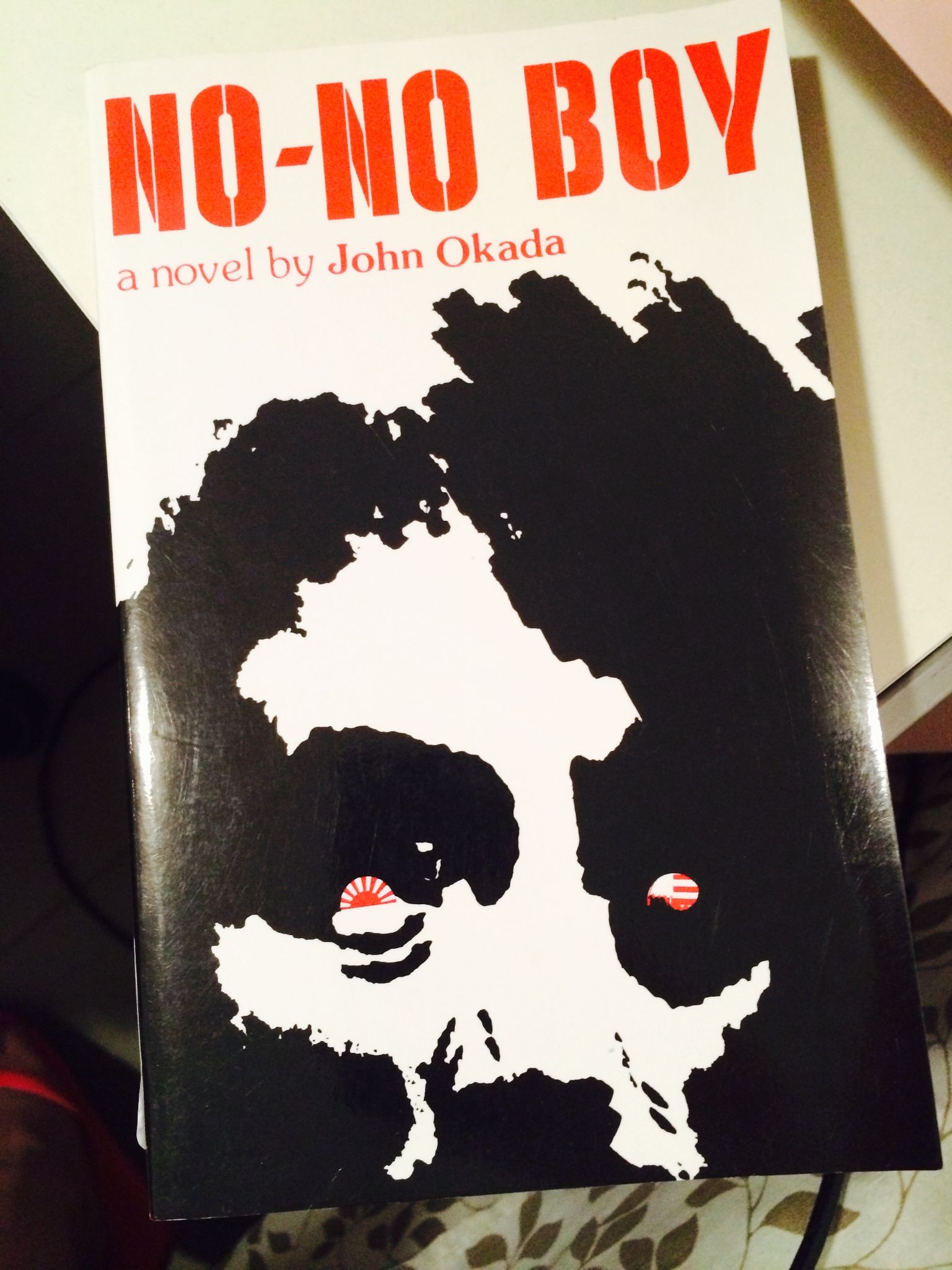
Roman “Brown Girl, Brownstones”

Published in 1959, Paule Marshall’s ,[object Object],, Brownstones tells the coming-of-age story of second-generation immigrant, Selina Boyce, who struggles to forge an identity that reconciles her Bajan roots and American surroundings. Set in Brooklyn, New York during the Great Depression and World War II, the novel depicts the efforts of Selina and her parents to overcome poverty and surmount racism. Marshall’s novel draws attention to the roughly 300,000 individuals who fled plantation colonies in the Southern Americas during the first decades of the twentieth century for the United States.

Marshall’s novel was not traditionally read in the context of migrant or ethnic literature, as it represented an often-overlooked migration of people of African descent from the Latin American and the Caribbean to the United States. Today, this migration is more commonly featured in works like Junot Díaz’s Brief Wondrous Life of Oscar Wao, and Edwidge Danticat’s Breath, Eyes Memory. Brown Girl, Brownstones is a staple in Black-American immigrant literature for its exploration of second-generation immigrants’ possibility to reconcile difference, living–not between—but within two worlds.
The West Indians, especially the Barbadians who had never owned anything perhaps but a few poor acres in a poor land, loved the houses with the same fierce idolatry as they had the land on their obscure islands.
- Paule Marshall
Brown Girl, Brownstones
United States
Sources
  1. Joshua Jelly-Schapiro. Travellin’ Woman. Caribbean Review of Books. 2010. Aufgerufen am: September 11, 2015.
  2. Heather Hathaway. Caribbean Waves: Relocating Claude McKay and Paule Marshall. United States: Indiana University Press, 1999.
Additional Resources
  1. Paule Marshalle. Brown Girl, Brownstones. New York: The Feminist Press.
Learn how these timelines were made
UNITED STATES
/
GERMANY
All Events
Stories: 0
Search icon
Instagram WRInstagram From HereFacebook
Copyright 2026 With Wings and Roots. All rights reserved.
Terms and Conditions