Erkunde die Geschichte von Migration, Staatsbürgerschaft und Zugehörigkeit in Deutschland und den USA über die Jahrhunderte.


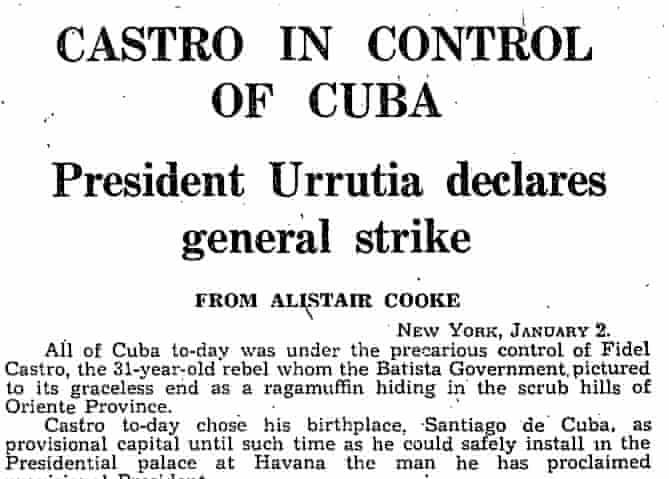
In 1959, the Cuban Revolution initiated a mass migration of Cuban citizens to the United States. This influx was prompted by Fidel Castro’s political defeat of Fulgencio Batista and the July 26 Movement that ushered in a new communist state. Many immigrants arriving in the U.S. after 1959 were wealthy, white-collar professionals, property owners and political elites, looking to protect their assets from the new political system. A diverse range of Cuban immigrants followed—some fleeing political persecution and others drawn by economic opportunity. Due to its proximity, the majority of Cuban immigrants migrated to Miami.
 theguardian.com