Migration ist eine globale Realität und seit jeher Teil der Menschheitsgeschichte. Dennoch gehört sie bis heute zu den am stärksten umkämpften öffentlichen Themen.
Sowohl Menschen als auch Grenzen sind ständig in Bewegung. Wer sich bewegen darf und wem Rechte zugesprochen werden, zeigt, wer als Teil der Nation angesehen wird. In Deutschland wie in den Vereinigten Staaten sind diese Debatten — und die damit verbundenen politischen und gesellschaftlichen Praktiken — eng mit sich wandelnden Vorstellungen von „Rasse“, Kultur und Sprache verbunden.
Diese Zeitleisten zeigen, wie Rechte und Zugehörigkeit durch Gesetze, migrantische Bewegungen und Kämpfe, globale Ereignisse und kulturelle Werke ausgehandelt, infrage gestellt und neu definiert wurden — und wie diese Geschichten bis heute nachwirken.
Entstanden sind die Zeitleisten in einem community-basierten Prozess gemeinsam mit Partner*innen aus migrantischen Selbstorganisationen, Bildungsinstitutionen und Wissenschaft sowie mit Unterstützung vieler weiterer Beteiligter und Ehrenamtlicher.


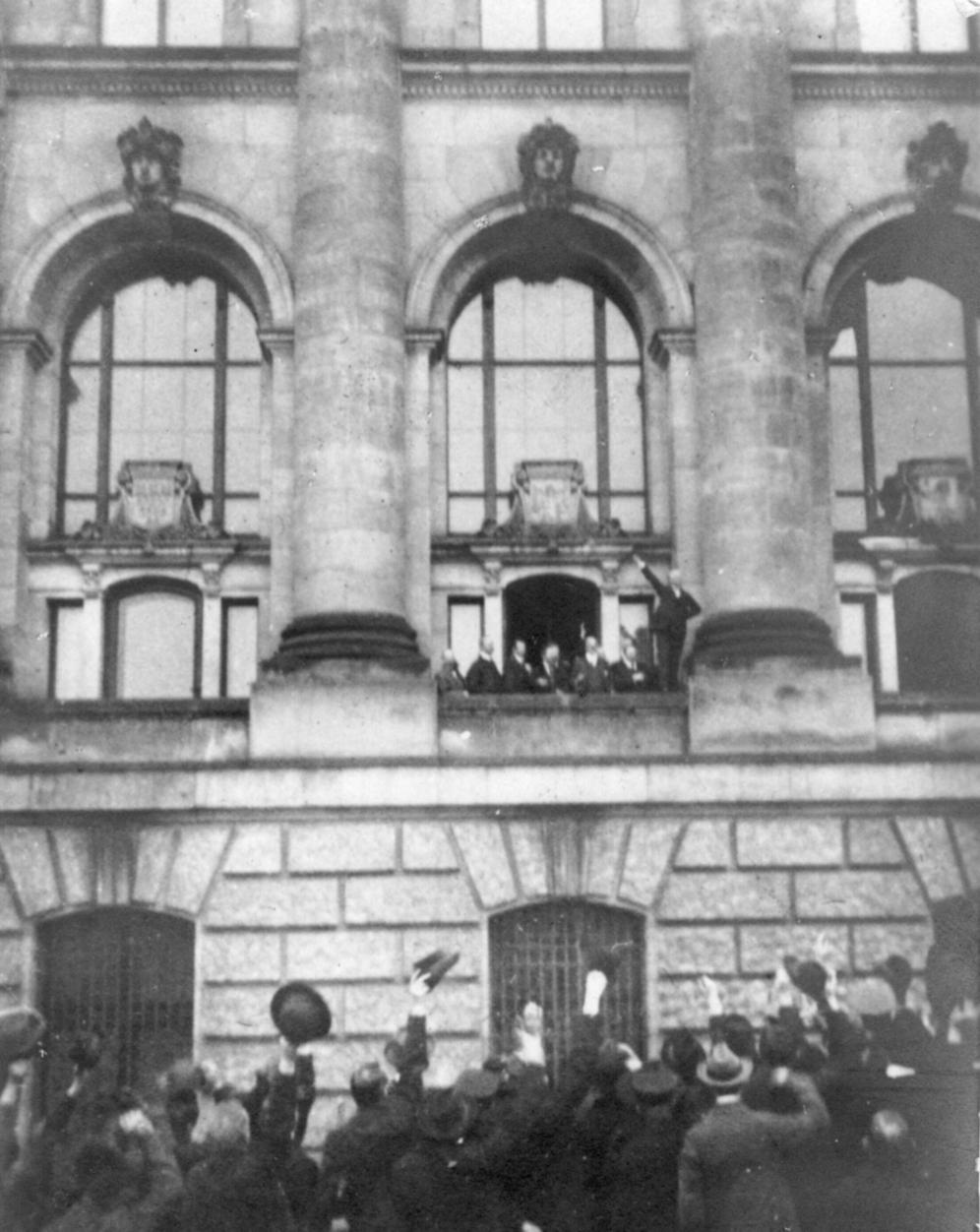
The establishment of the Weimar Republic was based on a political compromise to protect the German population against the consequences of its loss in World War I. The republic was therefore also referred to as the “improvised democracy” or the “democracy without democrats.”
 Berliner Illustrierte Zeitung vom 24.11.1918, Nr. 47