Timelines

Migration is a natural part of living systems, and human history is no exception. Yet it remains one of the most debated public issues of our time.

Both people and borders move. Who is allowed to move, and who is granted rights, lies at the heart of how nations define belonging. In Germany and the United States alike, these debates have been deeply intertwined with evolving ideas of race and ethnicity.

These timelines trace how citizenship and belonging have been constructed, challenged, and redefined through laws, social movements, global events, and cultural works — and how those histories continue to shape the present.

Close
1907
-
1910
Senate Report Discriminates Eastern & Southern Europeans

Congress established the U.S. Immigration Commission under the leadership of Vermont Senator William Dillingham to analyze the impact of increased immigration to the U.S.

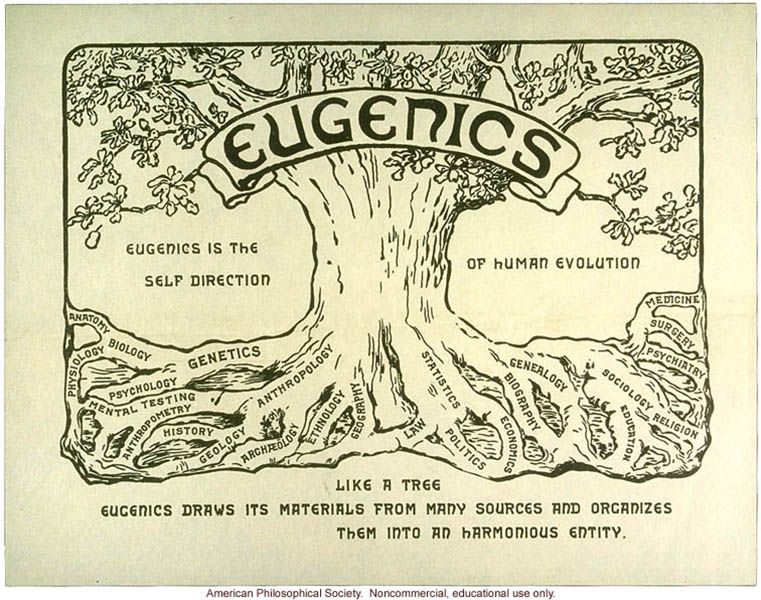
For three years, the commission members conducted interviews and analyzed data, equipped with the tools of eugenics (see also: Eugenics Movement, 1916), a philosophy and set of principles that promote selective reproduction and reproductive control with a goal of genetic improvement. In 1911 the Commission issued their conclusions that immigration “from southern and eastern Europe posed a serious threat to American society and culture, and therefore should be reduced.” Their findings included statements such as, “Bohemians are the most nearly like Western Europeans of all the Slavs. Their weight of brain is said to be greater than that of any other people in Europe.” While the Commission’s methodology is considered reprehensible by today’s standards, their work was praised at the time. Their reports provided the basis for the imposition of restrictive immigration quota laws in the 1920s (see also: The Quota Act, 1921-1924) and contributed pseudo-scientific evidence to a growing discriminatory fervor against immigrants.
“Bohemians are the most nearly like Western Europeans of all the Slavs. Their weight of brain is said to be greater than that of any other people in Europe.”
United States
Sources
  1. Dillingham Commission (1907–1910). Date accessed: March 22, 2015.
  2. Lawrence Downes. One Hundred Years of Multitude. New York Times. March 25, 2011. Date accessed: June 16, 2015.
Learn how these timelines were made
UNITED STATES
/
GERMANY
All Events
Stories: 0
Search icon
Instagram WRInstagram From HereFacebook
Copyright 2026 With Wings and Roots. All rights reserved.
Terms and Conditions