Timelines

Migration ist eine globale Realität und seit jeher Teil der Menschheitsgeschichte. Dennoch gehört sie bis heute zu den am stärksten umkämpften öffentlichen Themen. 

Sowohl Menschen als auch Grenzen sind ständig in Bewegung. Wer sich bewegen darf und wem Rechte zugesprochen werden, zeigt, wer als Teil der Nation angesehen wird. In Deutschland wie in den Vereinigten Staaten sind diese Debatten — und die damit verbundenen politischen und gesellschaftlichen Praktiken — eng mit sich wandelnden Vorstellungen von „Rasse“, Kultur und Sprache verbunden. 

Diese Zeitleisten zeigen, wie Rechte und Zugehörigkeit durch Gesetze, migrantische Bewegungen und Kämpfe, globale Ereignisse und kulturelle Werke ausgehandelt, infrage gestellt und neu definiert wurden — und wie diese Geschichten bis heute nachwirken. 

Entstanden sind die Zeitleisten in einem community-basierten Prozess gemeinsam mit Partner*innen aus migrantischen Selbstorganisationen, Bildungsinstitutionen und Wissenschaft sowie mit Unterstützung vieler weiterer Beteiligter und Ehrenamtlicher.


Close
1993
Maastricht Treaty

Also known as the Treaty on European Union, the Maastricht Treaty, which was signed on February 7, 1992, is considered the contractual foundation of the European Union.

The aim of the then EC members (European Community) was to reform the internal structures in such a way that the Community could guarantee its ability to act with regard to its future enlargement and function as the center of the European unification process. The Maastricht decisions are characterized by a three-pillar structure that defines the European Union's scope of action: Pillar I: Community policy (European Commission, European Parliament, etc.); Pillar II: Common foreign and security policy; Pillar III: Cooperation in the fields of education and justice. Joint cooperation on asylum and migration policy was also on the agenda of the Maastricht Treaty and was negotiated within the framework of home affairs and justice policy. In addition to immigration issues, the EU also deals with issues relating to border security, combating drug trafficking and crime, cooperation in criminal and civil matters, customs, and police matters. As in the Schengen Agreement, asylum and immigration policy was negotiated on a par with crime prevention and police cooperation.
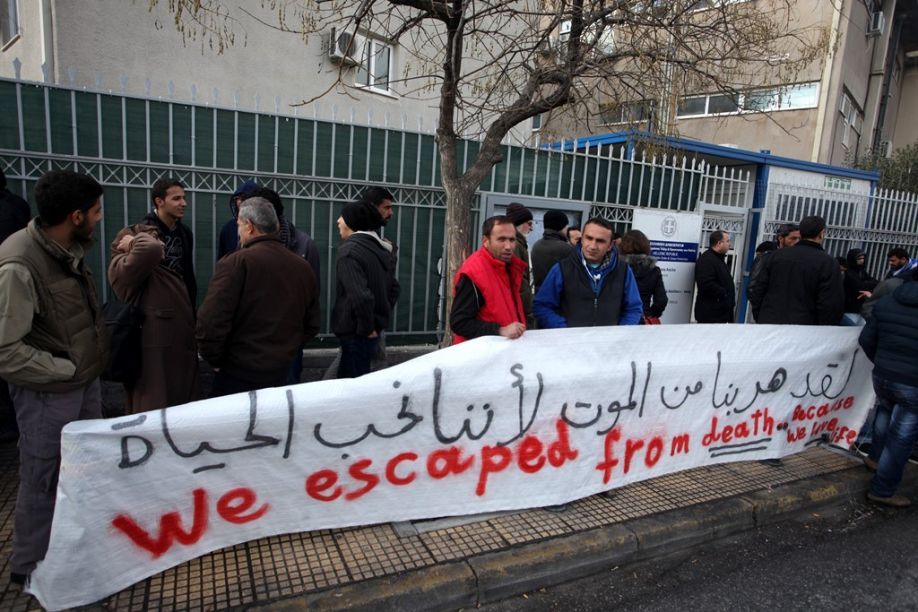
Cooperation on asylum and migration policy was also on the agenda of the Maastricht Treaty.
Germany
Learn how these timelines were made
UNITED STATES
/
GERMANY
All Events
Stories: 0
Search icon
Instagram WRInstagram From HereFacebook
Copyright 2026 With Wings and Roots. All rights reserved.
Terms and Conditions