In the 1980s, the foundations were laid for a restrictive asylum policy in the Federal Republic of Germany, which began to increasingly undermine the fundamental right to asylum. A key instrument for this was the Asylum Procedure Act.
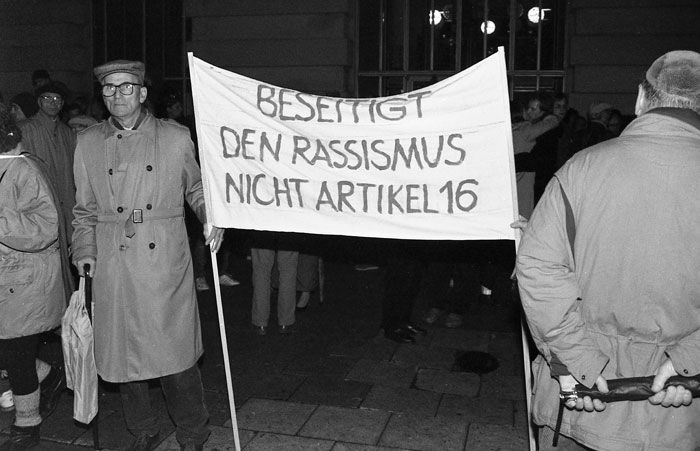
On May 23, 1949, Article 16 of the Basic Law of the Federal Republic of Germany came into force, stating that politically persecuted persons enjoy the right to asylum. After the experiences of German fascism, this provision was intended to grant individual politically persecuted persons unrestricted and enforceable protection.
In the 1960s and 1970s, most asylum seekers came from countries such as Czechoslovakia, Hungary, Poland, and Yugoslavia. However, the period between the recruitment ban in 1973 and the amendment of the Asylum Procedure Act in 1982 marked the transition from a little-noticed existence of the right to asylum to politically charged rhetoric of deterrence. At the end of the 1970s, the concept of political persecution was reinterpreted in institutional practice – away from the threat experienced or feared by those affected, towards the reasons given by the country of origin for the persecution. For example, torture practices were legitimized as “customary punishment practices,” which was considered insufficient grounds for asylum in the FRG. At the same time, visa requirements were used as a means of combating the rise in asylum applications.
With the increase in the number of people seeking protection from Africa, Asia, and Latin America, asylum became increasingly politicized. When the number of asylum seekers from Turkey rose by 90% in 1980 following the military coup, the government introduced a visa requirement for Turkey. The list of countries requiring visas grew longer and longer. The UNHCR criticized this as a “geographical reservation” for a fundamental right. Restrictions were also introduced for refugees from Eastern Europe.
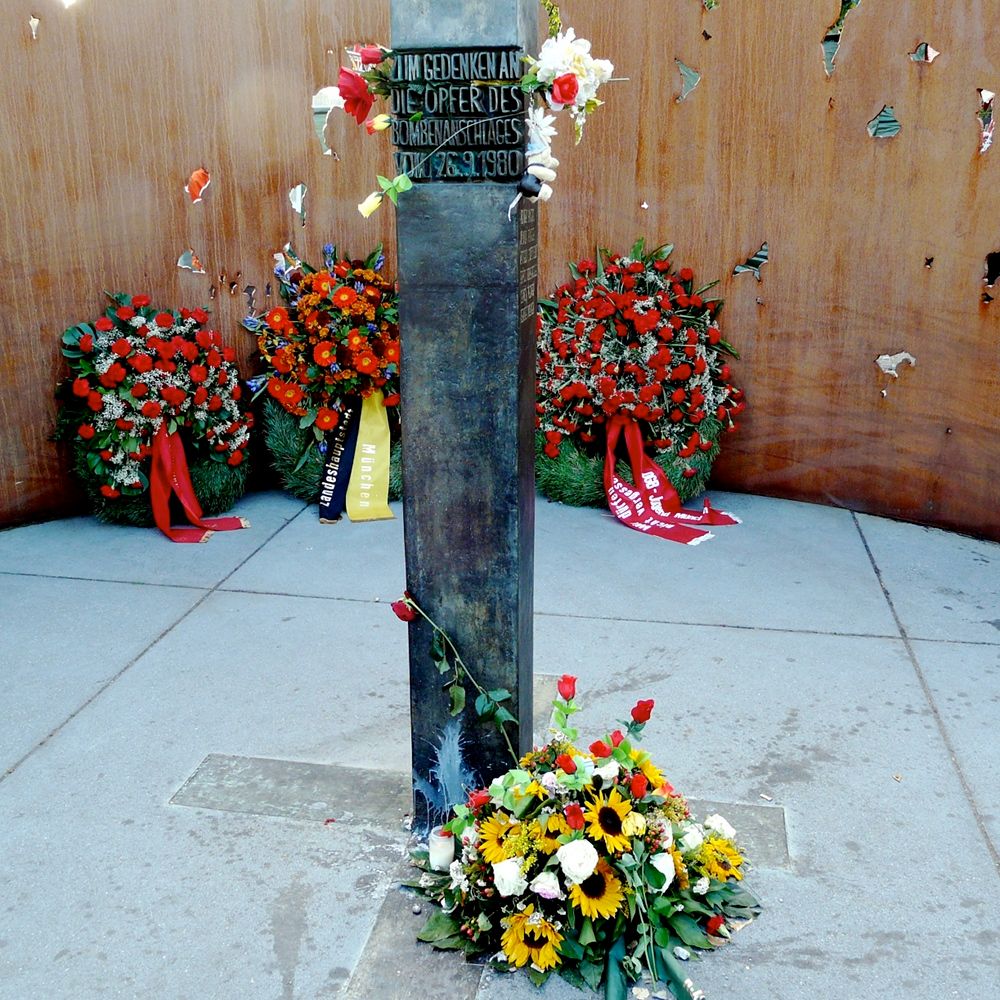
In the 1980s, far-right parties also began to use the asylum issue for political campaigns. The first refugee homes burned down in 1980 (link to right-wing terrorism in the FRG). In 1981, the Sinus Study showed that 13% of eligible voters had a right-wing extremist worldview. In this heated atmosphere, the Asylum Procedure Act was passed in July 1982. Since then, asylum seekers have been subject to residence restrictions, housed in emergency shelters, and received social benefits in the form of vouchers. A work ban was introduced.
In 1986, the Union launched a demagogic campaign against a supposed “flood of asylum seekers.” In 1993, the FPD and SPD followed with the so-called asylum compromise, which further restricted immigration on asylum grounds. The restrictive measures of the Asylum Procedure Act, such as residence requirements, accommodation in shelters, vouchers, and work bans, remain in force to this day.